EU Regulation 2024/2895: What Food Manufacturers Need to Know About the New Listeria Rules
From 1 July 2026, EU Regulation 2024/2895 will introduce stricter controls on Listeria monocytogenes in ready-to-eat (RTE) foods.
For food manufacturers supplying the EU, this marks a significant shift in food safety expectations, one that goes beyond laboratory testing and places greater emphasis on the product environment itself.
What is Changing?
Under the current framework, RTE foods that support Listeria growth must not exceed 100 cfu/g during shelf life and, in certain cases, must be absent in 25g before leaving the producer’s control.
From July 2026, the requirement becomes more stringent:
- Listeria monocytogenes must be absent in 25g throughout the entire shelf life.
- Unless the manufacturer can scientifically demonstrate that levels will remain below 100 cfu/g for the full duration.
The regulation also extends responsibility across the supply chain, meaning compliance is not solely the producer’s obligation.
For businesses exporting to or operating within the EU, failure to comply could result in product recalls, financial penalties, and loss of market access. Food safety is the top priority.
Why the Focus on Listeria?
Listeriosis poses a higher risk to older adults, pregnant women, newborns and individuals with weakened immune systems. As Europe's population ages, regulators are tightening controls to offer greater public health protection.
The new rules will particularly affect manufacturers in sector such as:
- RTE sandwiches and salads
- Dairy products
- Smoked fish
- Cooked meat and pâté
- Frozen ready meals
- Fresh produce
These categories are more exposed to environmental contamination risks after processing.
The Hidden Risk: The Production Environment
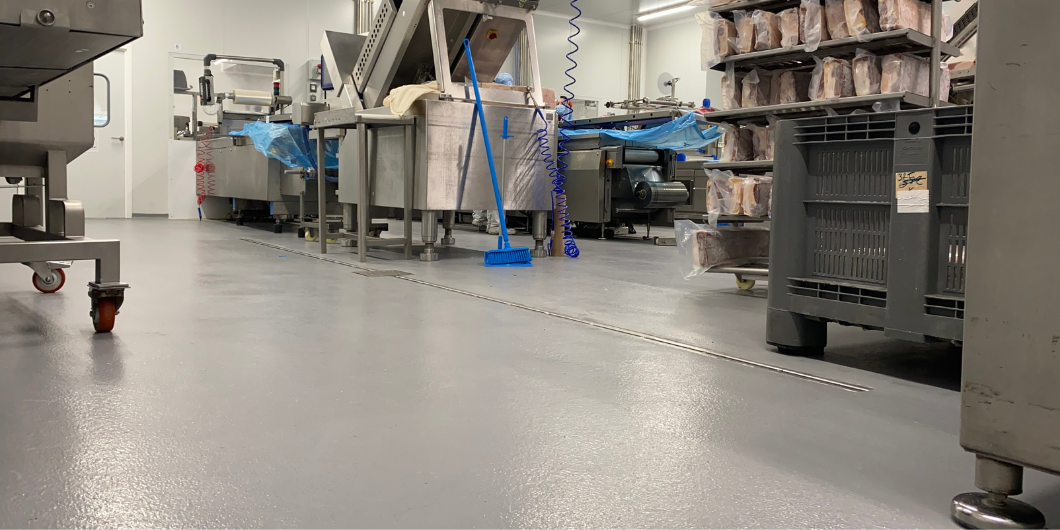
While microbiological testing remains critical, many recurring Listeria issues originate within the building fabric itself.
Wiktor Dzioba, Food & Beverage Specialist at Stonhard, explains:
"In many facilities, recurring Listeria positives are linked to the structure of the building - particularly damaged floors, ineffective drainage and area where water can accumulate. If moisture can sit in, behind or beneath surfaces, bacteria can persist."
Seamless, non-aborvent flooring and well-designed drainage play a crucial role in reducing risk - particularly in high-care and RTE environments.
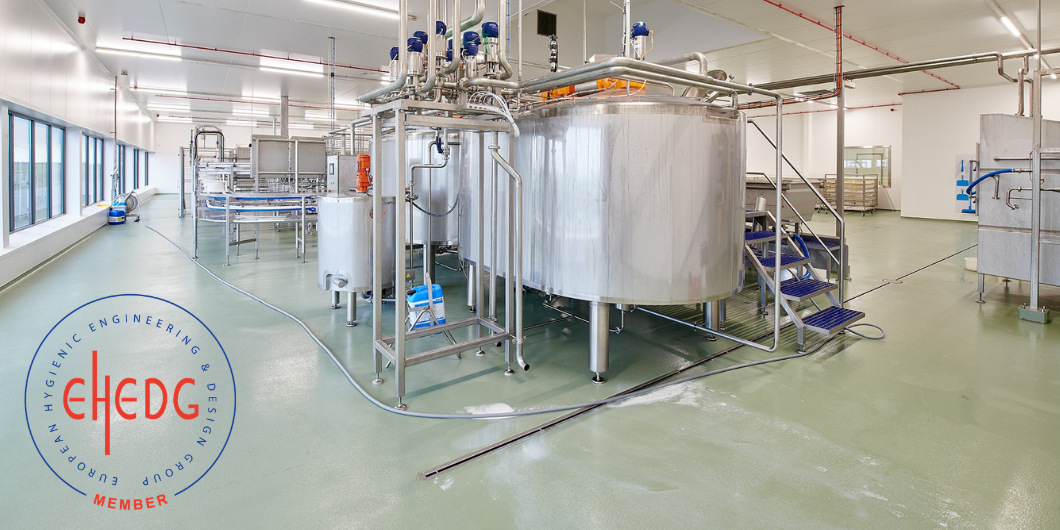
As a global leader in hygienic flooring systems, Stonhard has extensive experience supporting food manufacturers across Europe, including many years of partnerships with leading global F&B producers and active engagement with EHEDG to promote hygienic design best practices.
A Strategic Opportunity - Not Just a Compliance Exercise
EU Regulation 2024/2895 should no be viewed purely as a regulatory burden. For many manufacturers, it is an opportunity to:
- Review environmental risk drivers
- Strengthen infrastructure in RTE zones
- Reduce the likelihood of repeat positives
- Protect brand reputation
- Future-proof EU market access
Business that treat flooring, drainage, and wall interfaces as part of their food safety rather than simply as maintenance items are better positioned to manage long-term risk.
Preparing for July 2026
With the deadline approaching, now is the time for food safety leaders, operations teams and engineering managers to assess their facilities and identify potential vulnerabilities. As Dzioba concludes:
"This regulation is a wake-up call. The most resilient businesses will be those that act early - reviewing their environments now to protect both consumers and their operations."
Click the thumbnail to download the whitepaper on everything you need to know about the new Listeria regulations.
For more information about preparing your facility for EU Regulation 2024/2895, contact Stonhard's Food & Beverage team to discuss your specific requirements.